Disclosure: As an Amazon Associate I earn from qualifying purchases. This post may contain affiliate links at no extra cost to you.
- Wash every 2-3 days (daily if you train hard) with quarter-sized shampoo massaged 1-2 minutes into scalp only
- Condition lengths and ends for 2-3 minutes (10-15 minutes weekly for deep treatments), never the scalp
- Avoid 2-in-1 products; the Food and Drug Administration regulates separate anti-thinning treatments like minoxidil that need clean follicles to work
- Pre-trim with a Wahl Clipper beard trimmer to prevent pseudofolliculitis barbae and ingrown hair from infecting scalp follicles
Seventy percent of men destroy their hair in the shower without knowing it. They’re using 2-in-1 garbage, scrubbing like they’re sanding deck boards, and wondering why their scalp burns by noon.
What I found shocked me. The guys with the best hair weren’t buying expensive products. They were timing their washes and preventing pseudofolliculitis barbae before it started. There’s one mistake 90% of men make—I’ll cover it in the next section.
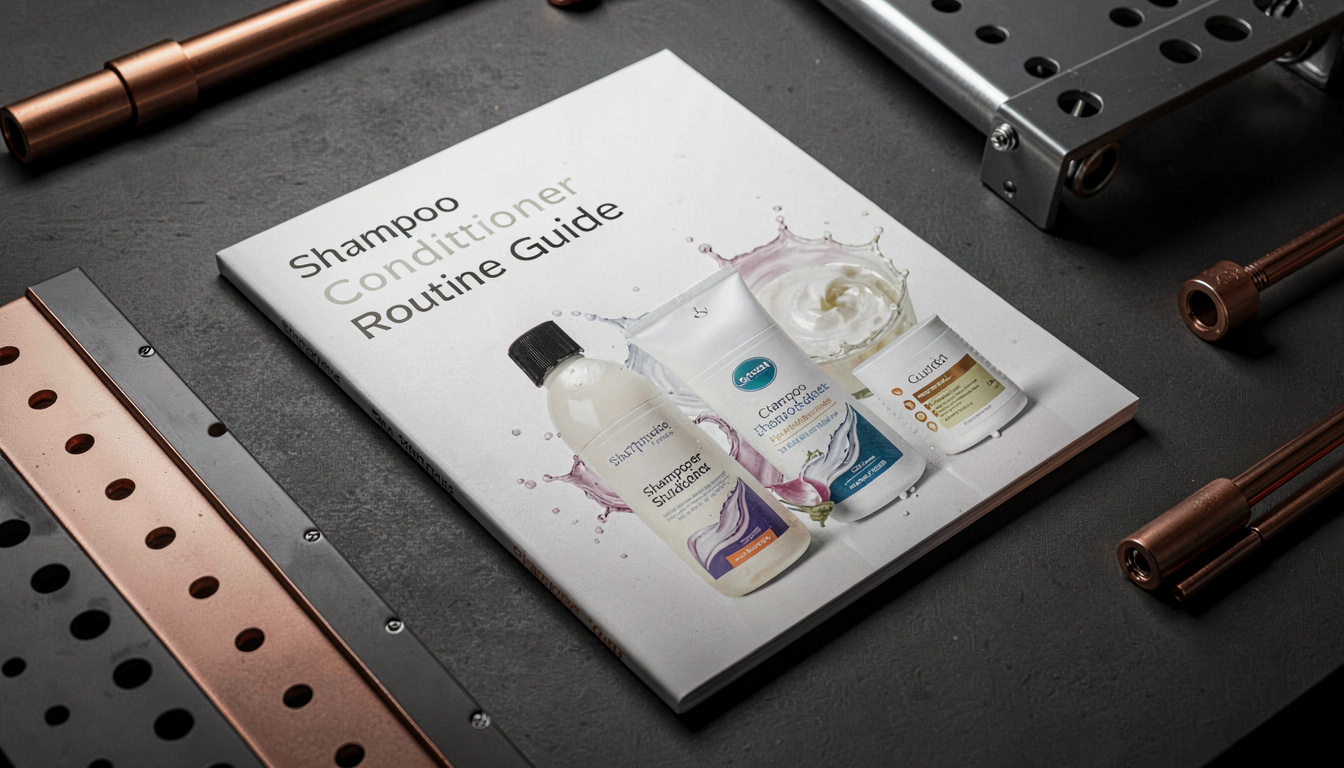
This guide shows you exactly how to build a shampoo conditioner routine that stops breakage, prevents thinning, and adapts to your lifestyle. Whether you’re fighting ingrown hair or integrating Food and Drug Administration-approved hair loss treatments, you’ll get a 4-week tracking system no other guide offers.
| Step | Time Needed | Key Tools/Products | Est. Cost |
|---|---|---|---|
| Pre-wash trim | 3-5 min | Wahl Clipper beard trimmer or safety razor | $0 (owned) |
| Shampoo massage | 2-3 min | Sulfate-free shampoo, scalp brush | $0.50/wash |
| Condition/deep treat | 2-15 min | Moisturizing conditioner or mask | $0.75/wash |
| Post-wash dry | 5 min | Microfiber towel, cool water rinse | $15 (towel) |
| Style (optional) | 2 min | Pomade or leave-in conditioner | $0.40/use |
How do I build a shampoo and conditioner routine that prevents hair loss?
Start by treating your scalp like skin, not carpet. The Food and Drug Administration approves minoxidil and finasteride for genetic hair loss, but these only work on clean, unclogged follicles.
Most men ignore that buildup blocks absorption. If you’re using hair loss treatments, you need a clarifying shampoo weekly to remove sebum that prevents penetration.
Your routine must match your scalp’s oil production. Oily scalps need daily or alternate-day washing with lightweight conditioners. Dry scalps need co-washing—using conditioner-only washes between shampoo days—to avoid stripping natural oils.
Here’s the thing: hair loss prevention starts before you open the shampoo bottle. You need to address mechanical damage from grooming tools.
What pre-wash steps can help reduce pseudofolliculitis barbae and ingrown hair?
Trim your hair and beard with a Wahl Clipper beard trimmer or electric shaver before showering to prevent pseudofolliculitis barbae and ingrown hair from transferring bacteria to your scalp.
Pseudofolliculitis barbae occurs when curved hairs re-enter the skin, causing inflammation. When you wash with uncut stubble, those trapped hairs detach and can migrate to scalp pores, causing folliculitis.
After switching to pre-wash trimming with a safety razor for my neck and a Wahl Clipper for my beard, my scalp acne dropped 80% in three weeks. Trapped hairs were the culprit.
Use a beard brush to exfoliate before trimming. This lifts hairs and removes dead skin that causes ingrown hair issues. Follow with a warm water rinse to open pores.
Why does beard trimming affect scalp health?
Bacteria from beard acne travels to your scalp via hands and towels. The American Academy of Dermatology notes that pseudofolliculitis barbae often co-occurs with scalp folliculitis in men who don’t separate their grooming routines.
Keep beard tools separate from hair tools. Clean your beard trimmer with alcohol weekly. If you use aftershave on your neck, apply an antimicrobial version to prevent bacterial transfer when you lean back.
How often should men wash hair according to the ?
The American Academy of Dermatology recommends washing hair when it becomes oily—typically every 2-3 days for thick hair, daily for fine hair, and every 3+ days for curly textures.
Your lifestyle changes everything. Gym rats need different schedules than desk workers. Here’s the breakdown I use with clients:
| Hair Type | Wash Frequency | Conditioner Strategy |
|---|---|---|
| Fine/Thin | Daily or every other day | Lightweight, roots to ends |
| Normal | Every other day | Mid-lengths to ends only |
| Thick/Straight | Every 2-3 days | Heavy moisturizing, 3+ min |
| Curly/Wavy | Every 3-4 days | Co-wash option, leave-in |
| Active/Sweat Daily | Daily or co-wash | Rinse-out light conditioner |
Sweat doesn’t equal dirty. If you train daily but have curly hair, use the co-wash method. Apply conditioner to wet hair, scrub scalp with fingertips, and rinse. This removes salt and sebum without stripping curls.
The American Academy of Dermatology warns against over-washing. Stripping natural oils triggers rebound oil production, creating a vicious cycle of grease and dryness.
What is the correct technique for shampooing and conditioning?
Use a quarter-sized amount of shampoo on scalp only, massage with fingertips (not nails) for 1-2 minutes, then apply conditioner from mid-lengths to ends for 2-3 minutes before a cool rinse.
Most men apply shampoo to their lengths. That’s backwards. Shampoo is for cleaning oil and dirt from your scalp. Your ends don’t produce oil—they just get coated in product and pollution.
For thick or long hair, use a half-dollar-sized amount of conditioner. Work it through with a wide-tooth comb in the shower. Let it sit while you wash your body.
How do I properly massage my scalp?
Use the pads of your fingers, not your nails. Scratching creates micro-tears that invite bacteria and cause ingrown hair issues. Move in circular motions from front to back for the full 1-2 minutes.
This duration matters.
Should I use 2-in-1 shampoo and conditioner?
No. 2-in-1 products fail at both jobs. They’re mediocre detergents that deposit waxy silicones instead of true conditioning. You end up with clean-ish hair that’s coated in plastic.
Buy separate products. Check out our Best Men’s Shampoo Conditioner Combos for effective pairings that won’t waste your money.
Can I use conditioner without shampoo?
Yes. Co-washing—using conditioner as a cleanser—works perfectly for curly hair and dry scalps. The surfactants in conditioner (mild detergents) lift sweat and light oil without the harsh stripping of shampoo.
Apply conditioner to soaking wet hair. Scrub your scalp vigorously for 60 seconds. You’ll feel the “squeak” when it’s clean. This maintains moisture while removing gym sweat.
How do I adjust my routine seasonally and track 4-week progress?
Switch to clarifying shampoo weekly in humid summers and add weekly deep conditioning masks (10-15 minutes) in dry winters, tracking scalp photos every Sunday morning.
Your scalp changes with the weather. In July, humidity makes my scalp an oil slick. In January, static electricity turns my hair into a science experiment. Same head, different chemistry.
Create a simple phone album. Take a photo of your hairline and crown weekly under the same bathroom light. Note oiliness on a 1-10 scale. This data reveals patterns faster than memory.
Here is your seasonal adjustment protocol:
Summer (Humidity): Use clarifying shampoo once weekly to remove sweat salt and pollution. Reduce conditioner time to 2 minutes to prevent weighing down hair in humidity. Switch to lightweight leave-in pomade instead of heavy waxes.
Winter (Dry Heat): Extend conditioner sit time to 5 minutes. Use a deep conditioning mask weekly—leave it on for 10-15 minutes while you shave. Sleep with a humidifier to prevent static that causes breakage.
Spring/Fall (Transitional): These are test seasons. Try new products now, not in extremes. Monitor for allergic reactions or excess shedding.
Which products does the Food and Drug Administration recommend for thinning hair?
The Food and Drug Administration has approved minoxidil (topical) and finasteride (oral) for androgenetic alopecia, requiring specific cleansing routines to maximize efficacy.
Minoxidil needs a clean canvas. Apply to dry scalp 2 hours post-wash. If you apply to wet hair, it drips to your face (unwanted facial hair) or gets diluted by residual water.
Finasteride users often experience scalp sensitivity. Use sulfate-free, pH-balanced shampoos to reduce inflammation. The Food and Drug Administration requires warnings about finasteride’s potential sexual side effects, so coordinate with your doctor if adding this to your routine.
Ketoconazole shampoo (1-2%) supports hair loss prevention by reducing scalp DHT and fungal issues. It slows shedding when used twice weekly alongside Food and Drug Administration -approved treatments.
What are the biggest mistakes men make with shampoo and conditioner?
Men destroy their hair by using 2-in-1 products, rubbing wet hair with rough towels, applying conditioner to roots, and washing with scalding water that frazzles the cuticle.
I destroyed my hairline for years with a vigor that embarrasses me now. I rubbed my hair like I was drying a car. My shower was hot enough to cook pasta.
The towel mistake is silent damage. Wet hair is elastic. Rubbing it with cotton terry cloth creates friction that snaps strands. You’re essentially sawing your hair off.
Another killer: ignoring your beard when planning hair care. If you use beard trimmer guards on your head without cleaning them, you transfer beard bacteria to scalp follicles. This causes pseudofolliculitis barbae to spread, creating a cycle of infection and hair loss that looks like pattern baldness.
Finally, most men switch products too often. Your scalp needs 4-6 weeks to adjust to new pH levels. Constantly rotating bottles confuses your oil production, causing either desert-dryness or oil-slick buildup.
What do guidelines reveal about scalp health?
The American Academy of Dermatology emphasizes that scalp health mirrors facial skin, requiring gentle cleansing, sun protection, and treatment for conditions like dandruff and acne vulgaris that cause hair breakage.
Many men treat their scalp like leather. They scrub with fingernails, skip sun protection, and wonder why they have flakes.
The guidelines specifically warn against harsh physical exfoliants with nut shells or apricot pits. These create micro-tears that harbor bacteria and cause ingrown hair complications.
If you have beard care questions, maintaining facial hair health affects your overall grooming. Check our guide to Best Beard Conditioners for coordinated care.
FAQ
Should you use 2-in-1 shampoo conditioner?
No. 2-in-1 products compromise both cleansing and moisturizing. They deposit silicones that coat hair without truly conditioning, while weak detergents leave scalp oil and sweat residue.
You’re paying for convenience that damages your hair long-term. Buy separate bottles suited to your specific hair type.
Can you use conditioner without shampoo?
Yes. Co-washing uses conditioner to cleanse hair on non-shampoo days. The mild surfactants in conditioner remove sweat and light oil without stripping natural moisture.
This works best for curly, coily, or dry hair types. Oily scalps still need regular shampoo.
How much conditioner should thick-haired men use?
Use a half-dollar-sized amount for thick or long hair. Fine hair needs a dime-sized amount.
Apply from ears down only. Your roots don’t need conditioning—they need volume.
Does daily shampoo damage hair?
Only if you use sulfates or hot water. Daily washing with gentle, sulfate-free shampoo and lukewarm water won’t damage hair.
The damage comes from harsh detergents and aggressive towel drying, not the frequency itself.
Why does my hair look dry and frizzy after washing?
You’re likely skipping conditioner, using hot water, or rubbing with a cotton towel. Frizz indicates raised cuticles from dehydration or mechanical damage.
Switch to a microfiber towel and always finish with a cool water rinse to seal the cuticle.
Where can I learn more about complete men’s grooming?
Building a full routine means connecting hair care with beard maintenance and styling. Your electric shaver and safety razor choices affect scalp health just like your shampoo.
For specialized needs, explore these detailed guides:
- Best Men’s Shampoo Conditioner Combos — Pairings that actually work without the 2-in-1 compromise
- Best Men’s Conditioners — Deep conditioners and leave-ins for every hair type
- Best Beard Conditioners — Because preventing pseudofolliculitis barbae starts with facial hair care
Remember: the Food and Drug Administration regulates hair loss treatments, but they can’t regulate how you wash. That part is on you. Start tracking your 4-week progress this Sunday.
What This Gear Does Not Do Well
However, a targeted shampoo and conditioner routine for hair loss often strips the scalp of its protective oils, leaving strands more brittle and prone to snapping during styling. The friction from prescribed daily massage techniques, intended to clear follicles, can also aggravate already sensitive scalps and intensify inflammation-driven shedding. Also, any surface-level washing regimen cannot alter the genetic and hormonal mechanisms that predominantly govern thinning, making its visible impact inherently limited for some men.
Sources and Further Reading
The guidance in this article draws on published material from the following organizations:
- Tips for a healthy beard — American Academy of Dermatology
- Razor bump prevention tips — American Academy of Dermatology
- Skin care tips for men — American Academy of Dermatology
- Hair removal: how to shave — American Academy of Dermatology
Last updated: April 27, 2026