Grooming gear, tested on the bench
Razor Bench is a men’s grooming reference where razors, clippers and trimmers are judged on blade quality, battery life and what they actually cost to keep running.
The bench
Seven benches. Each one covers a tool you keep for years and replace parts on forever.
What goes on the spec strip
Every guide reports the same four things, so two products can actually be compared.
- Blade and guard
- Steel or ceramic, coating, the shortest real cut length, and whether the guards step in useful increments.
- Runtime and charge
- Claimed minutes, charge time, whether it runs plugged in, and how the cell behaves after a couple of years.
- Cost to keep
- Replacement heads and foils over three years. This is where a cheap shaver stops being cheap.
- Cleaning
- Rinsable or brush-only, whether the head detaches, and how long it takes on a normal weekday morning.
Where we stand
Specs over adjectives
“Precision engineered” tells you nothing. Foil thickness and motor RPM tell you something.
Skin claims get a source
Razor burn, ingrown hairs and irritation cite the AAD or a manufacturer’s own guidance, not our opinion.
Old models stay listed
Last year’s shaver is often the same head at a lower price. We say when the new number is just a number.
Razor Bench is new, so there are no review counts or ratings here yet. Judge the guides instead.
Some links earn us a commission at no extra cost to you. It never changes what we recommend. Full disclosure
Latest from the bench
The six newest write-ups. Grooming gear ages badly in public, so these get revisited rather than left to rot.
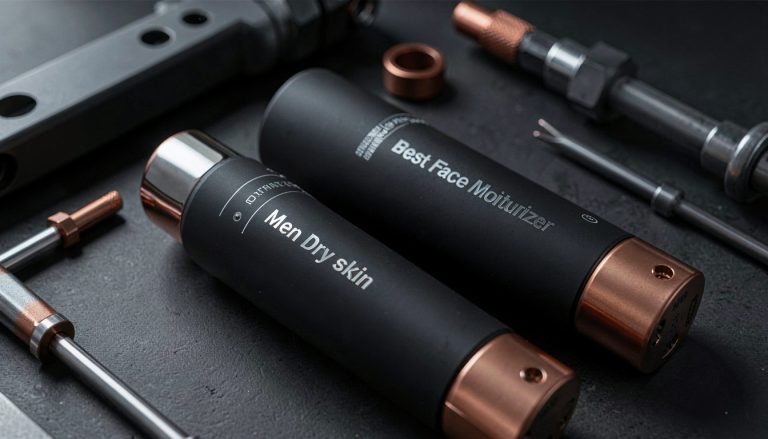 Men's Skincare
Best Face Moisturizer Men Dry Skin
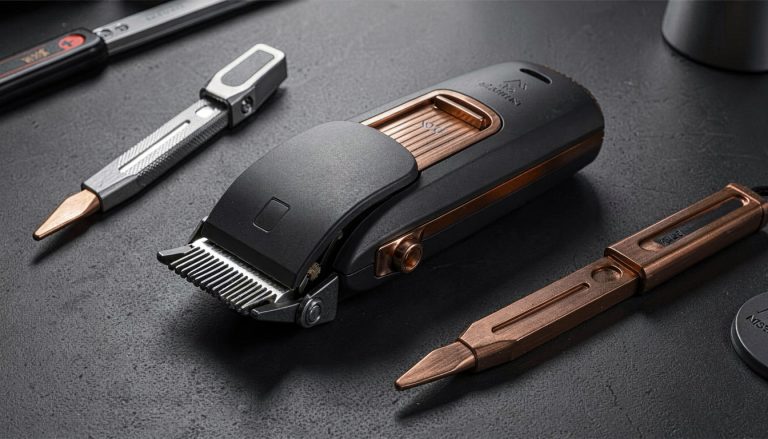 Hair Clippers & Home Haircutting
Best Cordless Hair Clipper Home
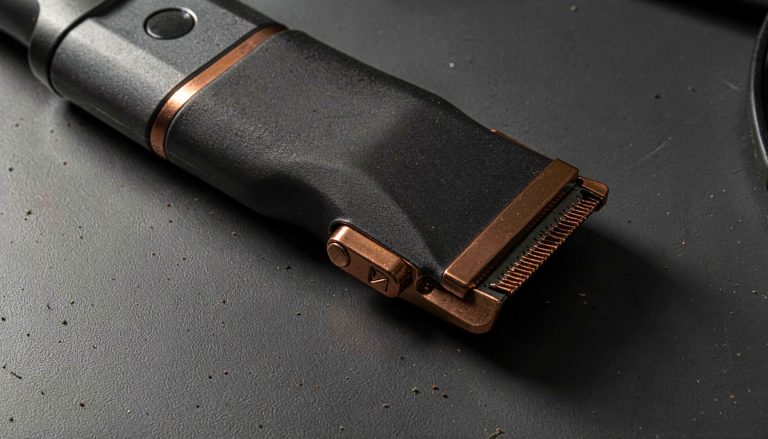 Beard Trimmers & Beard Care
Best Stubble Trimmer Beard Shadow
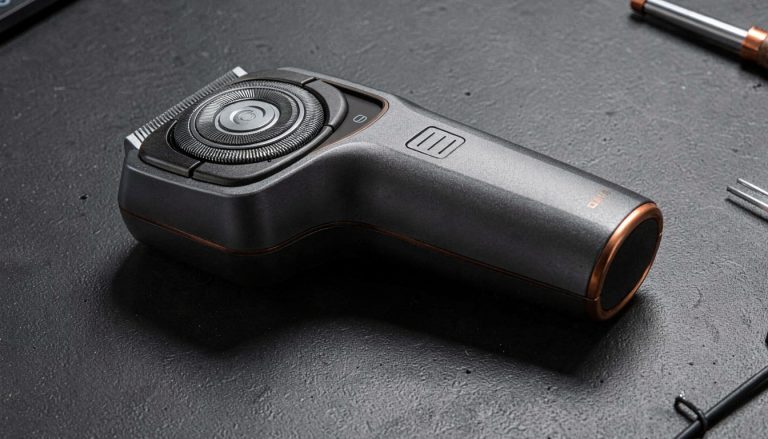 Electric Razors & Shaving
Best Electric Shaver Pop Up Trimmer
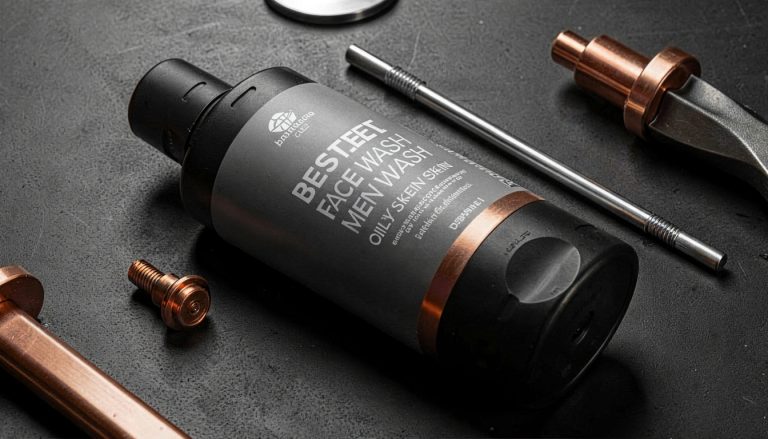 Men's Skincare
Best Face Wash Men Oily Skin
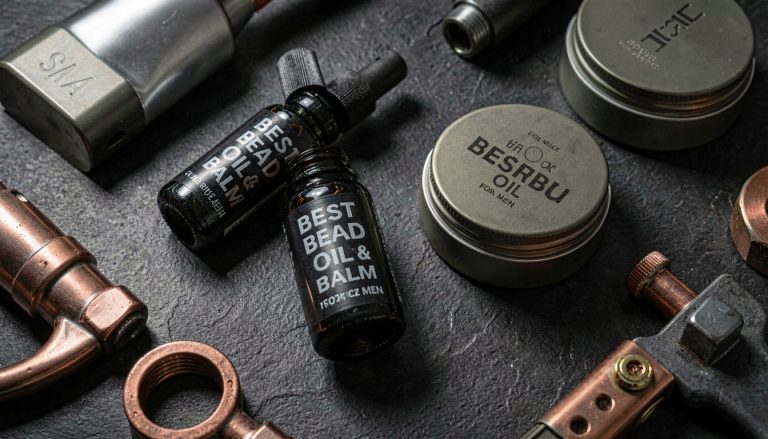 Beard Trimmers & Beard Care
Best Beard Oil And Balm For Men
Asked often enough to answer here
Safety razor or cartridge razor for a beginner?
Cartridge razors are more forgiving on angle and pressure, so they are the easier first shave. A safety razor costs more up front and far less to run, since blades are pennies each, but it punishes the habit of pressing down. If you currently press, fix that before switching.
How often should you replace a razor blade?
Cartridges last five to seven shaves for most beards, fewer if you shave daily or have coarse growth. Safety razor blades last three to five. The signal is tug, not the calendar: a blade that pulls instead of cutting is finished, and pushing past that point is where irritation and ingrowns start.
Does shaving against the grain cause ingrown hairs?
It raises the risk, especially on the neck and for coarse or curly hair, because the hair is cut below the skin line and can re-enter the follicle. Shaving with the grain first and only reducing across the grain is the usual compromise between closeness and irritation.
Skin and irritation claims here are checked against dermatological sources, including the NIH National Institute of Arthritis and Musculoskeletal and Skin Diseases. Kit is our lane; a persistent skin problem is your GP's or dermatologist's.