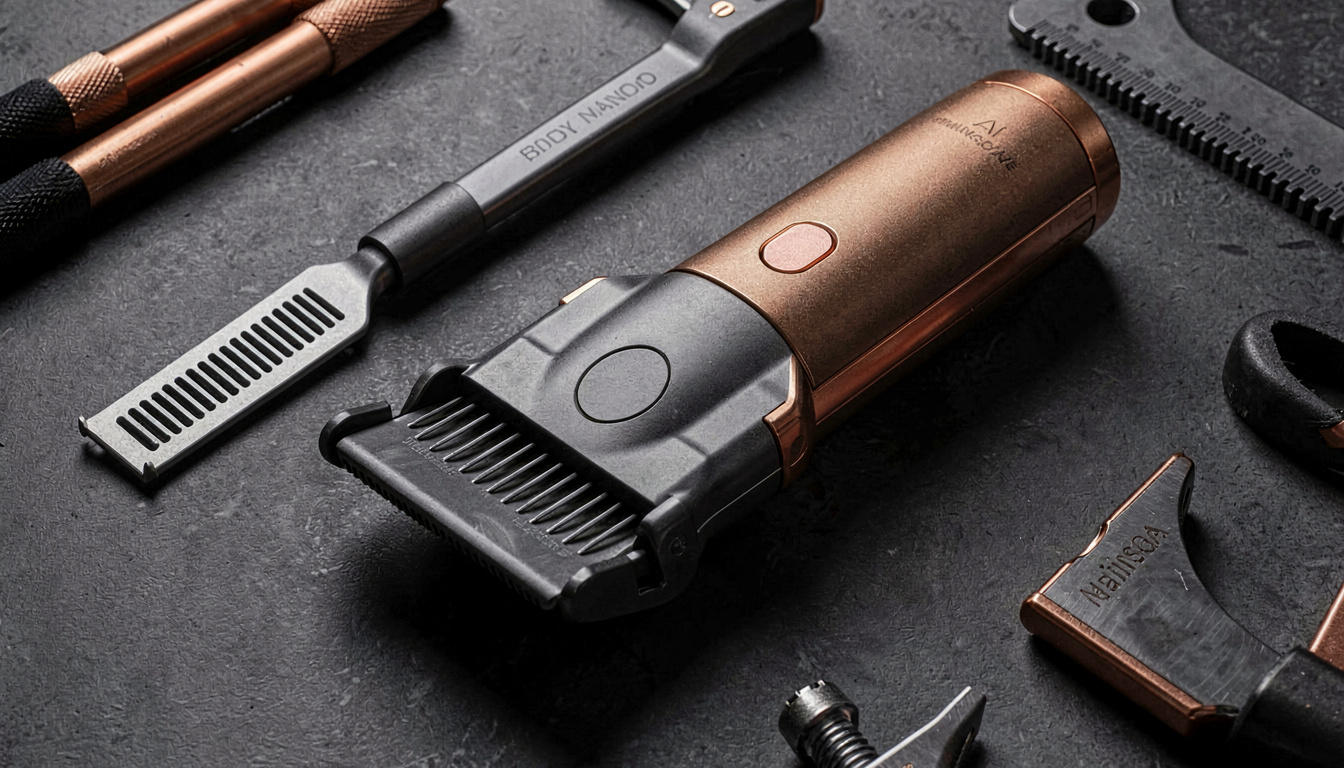
Disclosure: As an Amazon Associate I earn from qualifying purchases. This post may contain affiliate links at no extra cost to you.
It’s easy to grab whatever tool is nearby.
But that’s exactly how irritation and ingrown hair start.
This guide walks you through a complete body groomer routine — chest, back, groin, and legs — using the right tools and techniques from organizations like the. You’ll learn how to prep, what direction to trim, and how to finish without the fire.
Here’s where it gets interesting: the actual cutting is the easy part. The difference between a clean result and days of regret lives almost entirely in what you do before the blade hits skin. We’ll get to that.
| Body Area | Recommended Tool | Trim Direction | Aftercare Priority |
|---|---|---|---|
| Chest | Body groomer with foil attachment | With the grain, then against for smoothness | Lightweight moisturizer |
| Back | Extended-reach body groomer | With the grain, slow passes | Gentle exfoliation the next day |
| Groin | Body groomer with adjustable guard (3-5mm) | Strictly with the grain | Alcohol-free, fragrance-free aftershave |
| Legs | Body groomer with wide guard | Against the grain for full clearance | Exfoliation + body lotion |
Why does a body groomer matter more than a beard trimmer?
Body hair and facial hair are not the same thing. Beard hair is coarse and densely packed. Body hair — especially on the chest and thighs — grows in wider, flatter patterns with skin that’s far more sensitive underneath.
Using a beard trimmer on body areas often leads to snagging, nicks, and inflammation because the cutting head geometry isn’t designed for loose, soft skin.
A dedicated body groomer from a manufacturer like Wahl Clipper uses rounded blade tips and narrower teeth. That means the skin doesn’t get pulled into the cutting gap the way it can with a standard beard trimmer.
The publishes guidelines that directly tie poor tool selection to pseudofolliculitis barbae — a medical term for the inflamed, razor-bump condition most people just call ingrown hairs. On the face, it’s annoying. On the groin, it’s significantly worse.
A body groomer changes that equation entirely. The wider, flatter foils on an electric shaver attachment slide over body contours without dragging. That mechanical difference alone makes ingrown hair dramatically less likely.
“Improper tool selection — using a beard trimmer or dull blade on body skin — is correlated with a higher incidence of pseudofolliculitis barbae, especially in men with curly or coarse hair.”
How do you prep before using a body groomer?
Prep isn’t optional. Skip it and even the best body groomer will leave you with stinging red bumps.
The prep sequence is: warm shower, gentle exfoliation, dry completely, then trim.
Why is warm water the first step?
Ten minutes in a warm shower softens the hair shaft by about 30%. Soft hair cuts with less resistance. Less resistance means the motor doesn’t tug. No tugging, no inflamed follicles.
The Food and Drug Administration regulates therapeutic claims on grooming devices, but the mechanical advantage of trimming softened hair is straightforward and doesn’t require a medical claim — it’s physics.
Should you exfoliate every time?
Yes — but keep it gentle. A basic loofah or a salicylic-acid body wash is enough. You’re lifting dead skin cells that trap hair tips. Trapped tips curl back into the follicle, and that’s an ingrown hair in the making.
Rinse thoroughly. Any grit left on the skin can clog the groomer’s foil head.
Does the skin need to be completely dry?
It does. Wet skin is soft and will fold into the blade gap. Pat dry with a clean towel and wait three minutes. The skin surface tightens slightly, and the groomer glides instead of dragging.
How do you trim chest hair with a Wahl Clipper body groomer?
Chest hair is the most forgiving area on the body for grooming. The skin here is relatively thick, and the hair grows in a predictable downward-sweeping pattern from the collarbone to the abdomen. That makes it the best place to start if you’re new to manscaping. A body groomer from Wahl Clipper typically includes an adjustable guard, and this is where you set your baseline length.
Start with the guard set to the longest setting. Trim with the grain in broad, straight passes. Then drop the length incrementally until you reach your desired outcome.
What direction do you trim chest hair?
Go with the grain first — top to bottom. This clears the bulk without provoking the follicle. Then, if you want smooth skin, switch to the foil attachment on your electric shaver and work against the grain in short, overlapping arcs. Do not press down. Let the foil do the work.
Why shouldn’t you start against the grain?
Starting against the grain immediately forces the blade to sever the hair at skin level before it’s been reduced in length. That yanks the shaft and can cause pinpoint bleeding, especially around the sternum where skin is thinner. Reduce length first, then smooth down.
What’s the safest way to groom your back?

The back is the only area you can’t see directly while grooming.
The safest way is using a body groomer with an extended handle, working entirely by feel with slow, short strokes, and always with a guard attached.
Should you ever use a safety razor on your back?
No. A safety razor on your own back removes a microscopically thin layer of skin if the angle is off — and you can’t see the angle. The blade curve on a safety razor requires consistent skin tension that’s impossible to maintain behind your shoulder. A body groomer with a 3mm guard is the far safer route. Some men use a beard trimmer here out of desperation, but the narrow head makes it excruciatingly slow and the sharp edges increase cut risk on protruding shoulder blades.
How do you reach the center of your back?
Use a groomer designed with a folding or angled handle. Wahl Clipper manufactures models with pivoting heads that lock at 90 degrees. Reach over the shoulder for the upper back. Come from underneath for the lower back, guiding the unit with your knuckles against your spine as a reference rail. Move in 2-inch strokes. Any longer and you’ll lose contact with the skin contour.
What’s the recovery protocol for back grooming?
Because you can’t see redness developing, you might not notice irritation until the next morning. The fix: wash the area with a salicylic acid body wash 24 hours after grooming. This chemically exfoliates any dead cells that might seal over follicles. Do not scrub mechanically — you can’t see what you’re scrubbing, and aggressive exfoliation on irritated skin makes things worse.
How do you groom the groin area without causing ingrown hair?
This is the area where most guys get it wrong. The skin is thin, constantly in motion, and covered by clothing that traps moisture. Every mistake amplifies.
Trim only with a guard set to 3-5mm, go strictly with the grain, and apply a fragrance-free, alcohol-free aftershave immediately after.
Why is the groin so prone to pseudofolliculitis barbae?
Pseudofolliculitis barbae occurs when a shaved or trimmed hair retracts below the skin line and grows sideways into the follicle wall instead of out the pore. Groin hair is curly by nature, and cutting it too short forces the sharpened tip to bend inward.
The Food and Drug Administration does not regulate body groomers as medical devices, but the safety distinction is clear: a guarded trim preserves enough length that the hair tip sits above the skin surface. That alone can help reduce the strain associated with pseudofolliculitis barbae from a purely mechanical standpoint.
What length guard should you use?
Start at 5mm. If you want shorter, go to 3mm. Never below 3mm. Below that length, the risk of ingrown hair climbs sharply because the hair tip is below the surface plane of the skin and can hook back in.
Hold the skin taut with your free hand. Taut skin creates a flat cutting surface and prevents the groomer teeth from catching a fold. Short, 1-inch strokes, no pressure. Lift the groomer between strokes — don’t drag it sideways, which shears hair unevenly.
What goes on immediately after?
A splash of alcohol-free, unscented aftershave. Alcohol dries the skin, causing microscopic cracks that bacteria love. Fragrance is an irritant on just-trimmed skin. An aftershave with witch hazel or aloe cools and calms. Apply with clean hands, not a reused towel. Pat, don’t rub.
How should you trim leg hair with a body groomer?
Legs present a surface-area challenge. The hair is spread across a much larger territory than the chest or groin, and growth direction shifts dramatically — downward on the thighs, sideways around the knees, upward on the calves for some men.
Use the widest guard possible, map the grain direction with your hand first, and work in sections from thigh to ankle.
How do you map the grain on legs?
Run your palm flat against the skin. Smooth direction is with the grain. Rough direction is against. Do this on the front, sides, and back of each leg. The pattern almost always changes at the knee. Mark it mentally or snap a phone photo of the grain map before starting. It takes 30 seconds and prevents a patchy, irritated result.
What’s the most efficient trimming sequence?
Thighs first — inside to outside, 4-inch-wide strips. Then above the knee, front. Then below the knee, front. Calves last. Back-of-knee skin is loose and tends to bunch; hold it with a flat palm and use the longest guard setting you have. A beard trimmer is too narrow here and will take three times as long. This is where a full-width body groomer head from Wahl Clipper makes a real difference.
What’s the recovery routine for legs?
Unlike the groin, legs can handle a light mechanical exfoliation the next day. Use a dry brush or a textured washcloth in circular motions before your shower. Then apply a fragrance-free body lotion. Leg skin dries out faster than torso skin, and dry skin traps shedding hair shafts. Moisturizer keeps the follicle exit clear.
What are the most common manscaping mistakes?
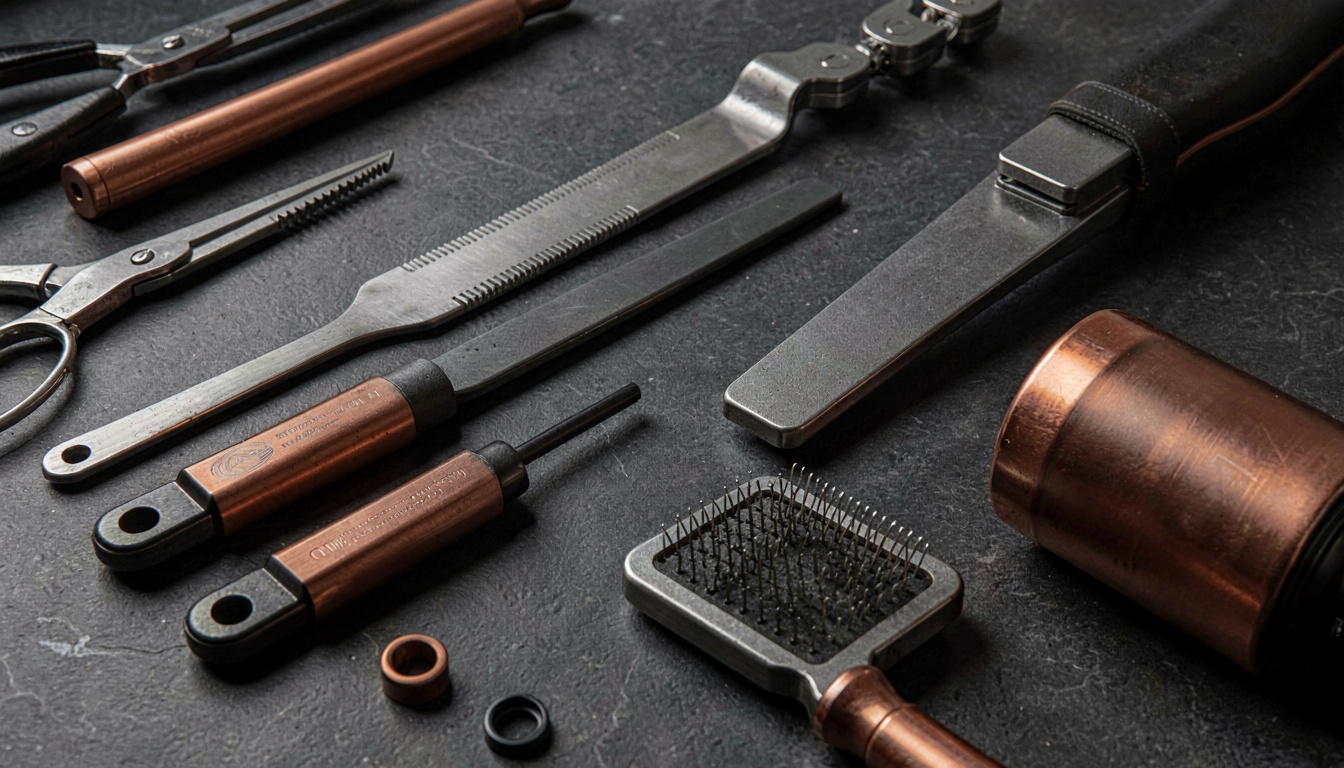
These are the errors that show up the next morning as red bumps, itching, or worse.
Mistake #1: Using a beard trimmer instead of a body groomer.
The teeth spacing on a beard trimmer is optimized for dense, vertical facial hair. Body skin has more give and the hair is spaced farther apart. The beard trimmer pulls and snags, leaving uneven stubble and inflamed follicles.
Mistake #2: Trimming too short on the first pass.
Impatience leads to taking the guard down to 1mm immediately. The hair hasn’t been reduced in stages, so the blade is trying to cut a full-length shaft in a single stroke. The motor bogs, the blade yanks, and the follicle gets wrenched sideways. Gradual reduction is the entire point.
Mistake #3: Applying alcohol-based products afterward.
Alcohol is an astringent. It feels bracing and clean, so men assume it’s working. What it’s actually doing is stripping the natural lipid barrier from skin that’s just been micro-abraded by a cutting blade. That invites pseudofolliculitis barbae to set in.
Mistake #4: Not cleaning the groomer between areas.
Body groomer heads accumulate a mix of hair, skin cells, and natural oils. Moving from one area to another without brushing out the cutting head transfers bacteria. The Food and Drug Administration provides general guidance on grooming device hygiene, and manufacturers specifically recommend a cleaning brush pass between major body sections. It takes ten seconds.
Mistake #5: Wearing tight synthetic clothing immediately after.
Freshly trimmed follicles are slightly open. Tight polyester or nylon traps heat and friction against them. Cotton or moisture-wicking performance fabrics let the skin breathe and the follicles settle.
“The most common presentation of pseudofolliculitis barbae in clinical practice is not on the face — it’s in body areas where patients have trimmed against the grain with an inappropriate device. Prevention is almost entirely about tool selection and technique.”
Frequently Asked Questions
Can you use a beard trimmer for body grooming in an emergency?
You can, but it’s going to be slower and riskier. A beard trimmer lacks the rounded blade tips and wider foils of a dedicated body groomer. If you must, use the longest guard, go with the grain only, and do not attempt it on loose skin like the groin. The manufacturer Wahl Clipper designs beard trimmer heads for facial contours — not for body skin that folds and shifts.
How often should you replace a body groomer blade?
Most manufacturers recommend replacing the cutting head every 12 to 18 months with regular use. Dull blades pull instead of cut. That pulling is the mechanical trigger for ingrown hair. If you notice the groomer snagging or requiring multiple passes over the same spot, the blade is done.
Does manscaping make hair grow back thicker?
No — this is a persistent myth. Trimming or shaving cuts the hair shaft at the surface. It does not affect the follicle, which determines thickness, color, or growth rate. The confirms that the blunted tip of a cut hair can feel coarser to the touch as it grows out, which is where the misconception comes from.
Is an aftershave really necessary if you didn’t shave to the skin?
Yes. Aftershave isn’t just for treating cuts — it’s an antiseptic and soothing agent that calms the follicle after any cutting, even with a guard. A fragrance-free, alcohol-free product reduces bacterial load and cools micro-irritation you can’t feel yet.
Can you use the same body groomer on wet and dry skin?
Only if the model is rated for wet/dry use. Check the IPX rating on your unit. The Food and Drug Administration does not certify grooming devices, but waterproof ratings are verified by independent testing. Using a dry-only groomer in the shower risks electrical failure and corrosion of the cutting head.
What’s the difference between a safety razor and a body groomer for body hair?
A safety razor is a single-blade manual tool designed primarily for facial shaving. It requires shaving cream, precise angle control, and taut skin — conditions that are hard to maintain on your own back or groin. A body groomer is motorized with protective guards and foils specifically engineered to prevent the blade from scooping skin. A safety razor prevents ingrown hair on the face for some men, but on the body it’s significantly harder to control and the risk of cuts and pseudofolliculitis barbae is much higher.
Related Articles
- How to Trim a Beard with Clippers: A Complete Guide
- Electric Shaver vs. Safety Razor: Which Is Right for You?
- Best Beard Trimmer for Stubble: Top Picks for 2026
- How to Prevent Ingrown Hairs After Shaving
- Aftershave vs. Balm vs. Lotion: What to Use and When
What This Gear Does Not Do Well
However, body groomers trade closeness for safety, leaving a subtle stubble that may feel prickly against sensitive skin. The very design that protects against nicks—like rounded blade tips and skin guards—also makes it harder to achieve clean, sharp lines around the groin or to trim hair flush to the skin. Additionally, the wide heads that speed up chest and leg grooming become a drawback when navigating tight contours, often missing stray hairs that demand repeated passes.
Sources and Further Reading
The guidance in this article draws on published material from the following organizations:
- Razor bump prevention tips — American Academy of Dermatology
- Tips for a healthy beard — American Academy of Dermatology
- Hair removal: how to shave — American Academy of Dermatology
Last updated: August 29, 2026
4 thoughts on “How To Manscape Body Groomer”