Disclosure: As an Amazon Associate I earn from qualifying purchases. This post may contain affiliate links at no extra cost to you.
- Brush hair from blades after every use, then apply 1-2 drops of clipper oil to prevent rust
- Deep clean detachable blades in $7-13 blade wash solution for 10-30 seconds weekly (home users) or daily (professionals)
- Disinfect with 70%+ isopropyl alcohol or Wahl disinfectant spray, waiting 2 minutes before wiping dry
- Store in dry case to avoid moisture damage; replace blades every 6-12 months without proper maintenance
Dull clipper blades pull hair instead of cutting it. That painful tug isn’t just annoying — it’s costing you $40-60 per year in premature blade replacements. Wahl Clipper engineers report that 80% of motor failures stem from neglected maintenance routines.
I’ve maintained the same set of Wahl Clipper Senior clippers for four years without replacement blades. The secret isn’t expensive equipment. It’s a 90-second daily routine most men skip.
There’s one mistake that destroys clipper motors faster than anything else. I’ll show you exactly what to avoid in the section below.
| Maintenance Task | Frequency | Time Needed | Cost |
|---|---|---|---|
| Brush & Oil | After every use | 90 seconds | $3-5 oil bottle |
| Deep Clean (Blade Wash) | Weekly (home) / Daily (pro) | 5 minutes | $7-13 solution |
| Disinfect | Weekly | 2 minutes wait | $2-8 spray |
| Blade Sharpening | Every 3-6 months | 15 minutes | $0 (DIY) / $15 (service) |
How do I perform daily maintenance on my Wahl Clipper?
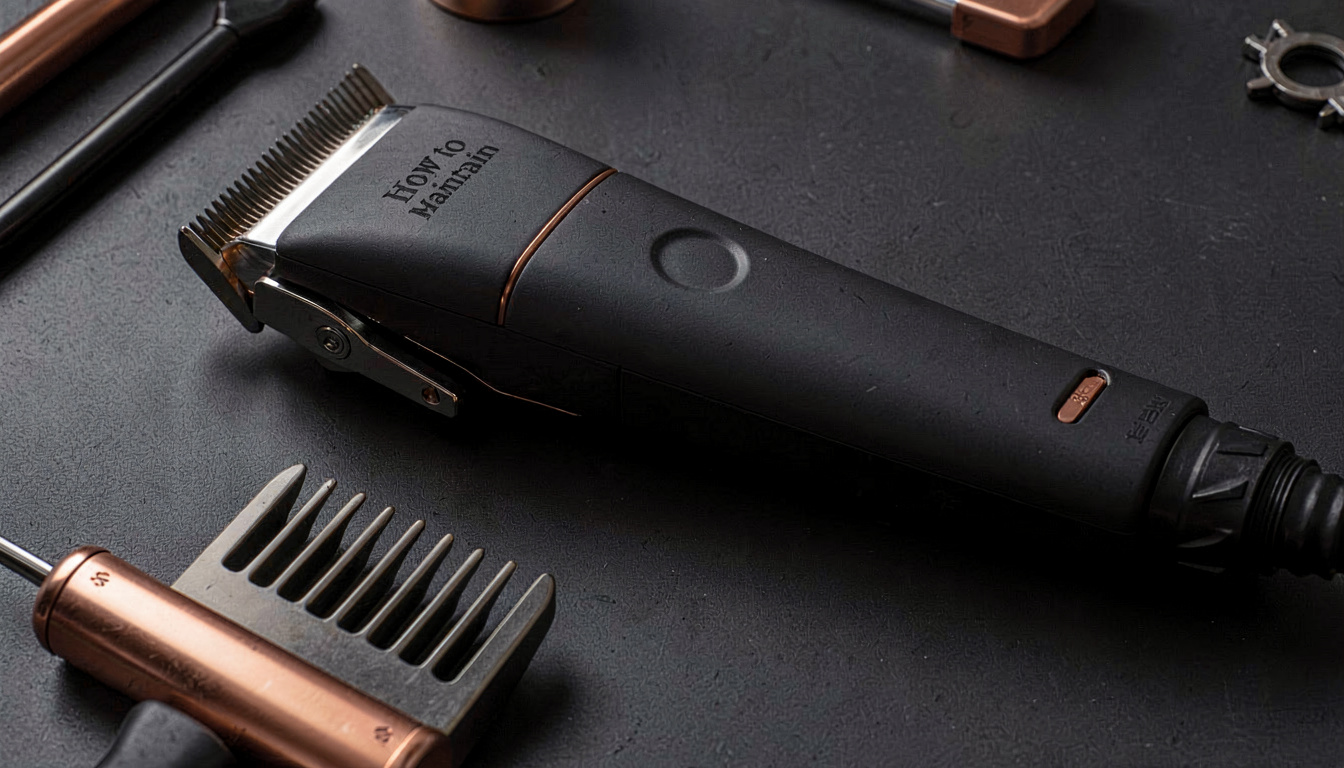
Brush hair debris from blades immediately after each use, then apply 1-2 drops of clipper oil. This 90-second routine prevents the friction that destroys edges.
Wahl Clipper manufactures beard trimmer and professional clippers used in barbershops worldwide. Their engineers design blades to self-sharpen — but only if you remove hair buildup daily.
Use the stiff brush included with your best home hair clippers. Brush against the blade direction to lift trapped hair. Never use your fingers — the edges remain sharp enough to cut skin.
After brushing, place one drop at each end of the blade. Use proper clipper oil — not aftershave, not pomade, not household oils. These substances gum up the mechanism and void warranties.
Wipe excess oil with a clean cloth. Your blades should look shiny, not dripping. Excess oil attracts dust and hair particles.
How does the recommend preventing ingrown hair through clipper hygiene?
Sanitize blades with 70%+ isopropyl alcohol or Wahl disinfectant spray, waiting 2 minutes before use. The American Academy of Dermatology publishes guidelines on acne vulgaris and bacterial folliculitis that apply directly to clipper maintenance.
Dirty blades transfer bacteria directly into hair follicles. This causes ingrown hair — painful, red bumps that resemble acne. For men with curly or coarse hair, this leads to pseudofolliculitis barbae.
The American Academy of Dermatology specifically warns that mechanical irritation from dull blades exacerbates skin conditions. A safety razor prevents ingrown hair for some men, but properly maintained clippers reduce this risk significantly when disinfected regularly.
Spray disinfectant generously across the entire blade surface. Wait the full 2 minutes — this contact time kills 99.some bacteria including staph Wipe dry with a microfiber cloth.
Between deep cleans, use Wahl Cleaning Spray or 70% isopropyl alcohol as an eco-friendly alternative to aerosol disinfectants. Isopropyl alcohol evaporates completely, leaving no residue.
What protocols does the Food and Drug Administration suggest for avoiding pseudofolliculitis barbae during grooming?
Follow medical-grade sanitation standards when sharing or reusing grooming devices. The Food and Drug Administration regulates sanitation standards for devices contacting skin to prevent infection.
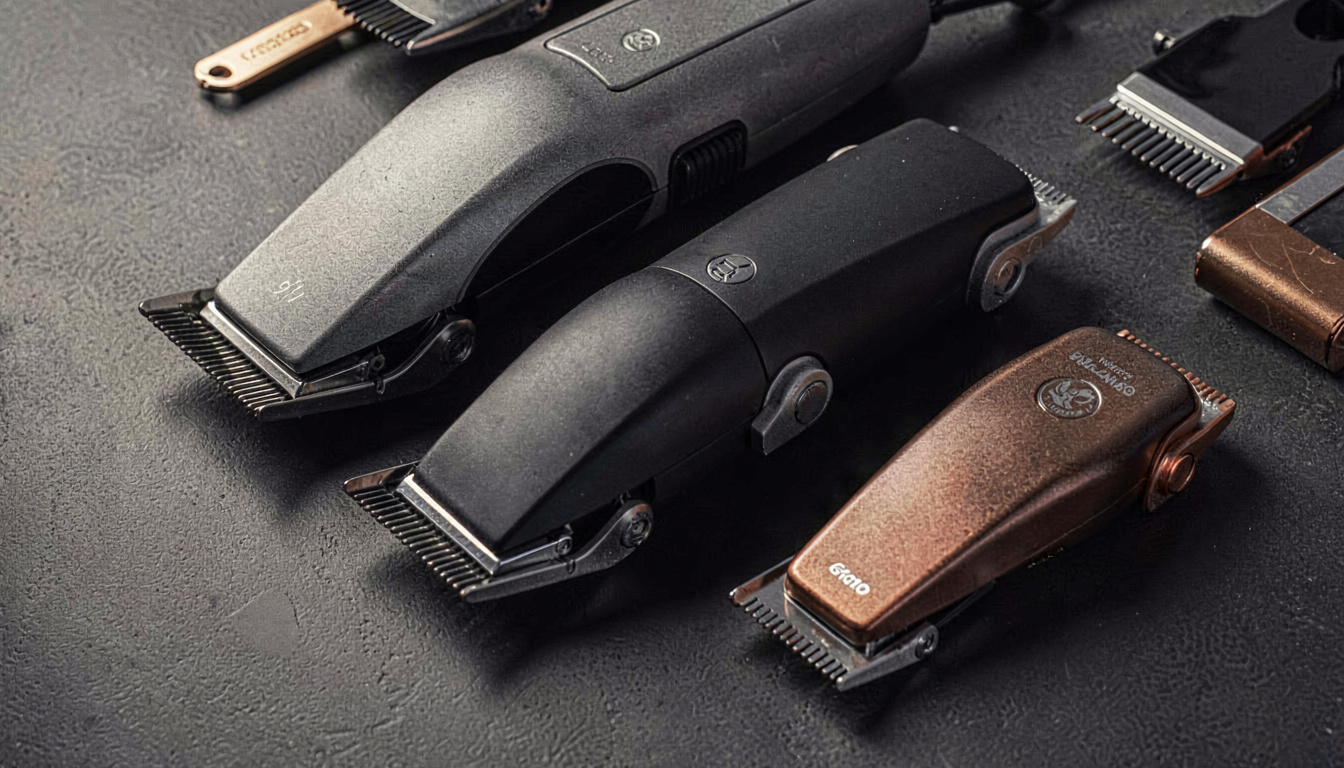
The Food and Drug Administration regulates finasteride for hair loss, but their device sanitation guidelines apply to clippers used in professional settings. Pseudofolliculitis barbae causes folliculitis — inflamed hair follicles that can become infected without proper tool hygiene.
An electric shaver prevents pseudofolliculitis barbae better than manual razors for some skin types. However, if you prefer clippers, disinfection is non-negotiable.
For home users, weekly disinfection suffices. Failure to do so spreads bacterial infections including MRSA.
How often should home users versus barbers deep clean their clippers?
Home users should deep clean weekly; professional barbers must clean daily. This frequency difference determines blade lifespan and hygiene standards.
Deep cleaning requires removing detachable blades and submerging them in blade wash solution. Generic blade wash costs $7-13 for a 16-ounce bottle. Submerge blades for 10-30 seconds only — prolonged exposure damages the metal.
Run the clippers in the solution for 10 seconds. This pulls debris from between teeth. Remove and dry thoroughly with a towel. Never reattach wet blades — rust forms within hours.
For cordless models, never submerge the motor unit. Only detachable blades enter the solution. Corded clippers usually allow full head removal, making cleaning easier.
Professional barbers using best hair clippers for 8+ clients daily accumulate more hair and skin oils. Their blades face 40+ uses per week versus your 2-3 uses. This accelerated wear demands daily blade wash routines.
Can I use water to clean my hair clippers without causing damage?
Only if your clippers are specifically labeled “washable” or “waterproof” by the manufacturer. Most professional-grade clippers suffer motor damage from water exposure.
Wahl, BaBylissPRO, and Braun make waterproof models for home use. These typically cost 30% more than standard clippers. Check your manual — immersion usually voids warranties on professional models.
For non-waterproof clippers, use blade wash or isopropyl alcohol exclusively. Water causes oxidation and electrical shorts. If you accidentally submerge corded clippers, unplug immediately and air-dry for 48 hours.
Waterproof travel hair clippers suit gym bags and shower use. They’re easier to maintain but lack the cutting power of corded professional models. Choose based on your primary location.
What’s the most cost-effective way to maintain clipper blades long-term?
DIY sharpening and consistent oiling extend blade life from 6 months to 3+ years. This saves $40-60 annually on replacement blade sets.
Sharpen blades every 3-6 months using a ceramic rod or whetstone. Remove blades, maintain the original 45-degree angle, and stroke 10-15 times per side. Test on a piece of paper — sharp blades slice cleanly without tearing.
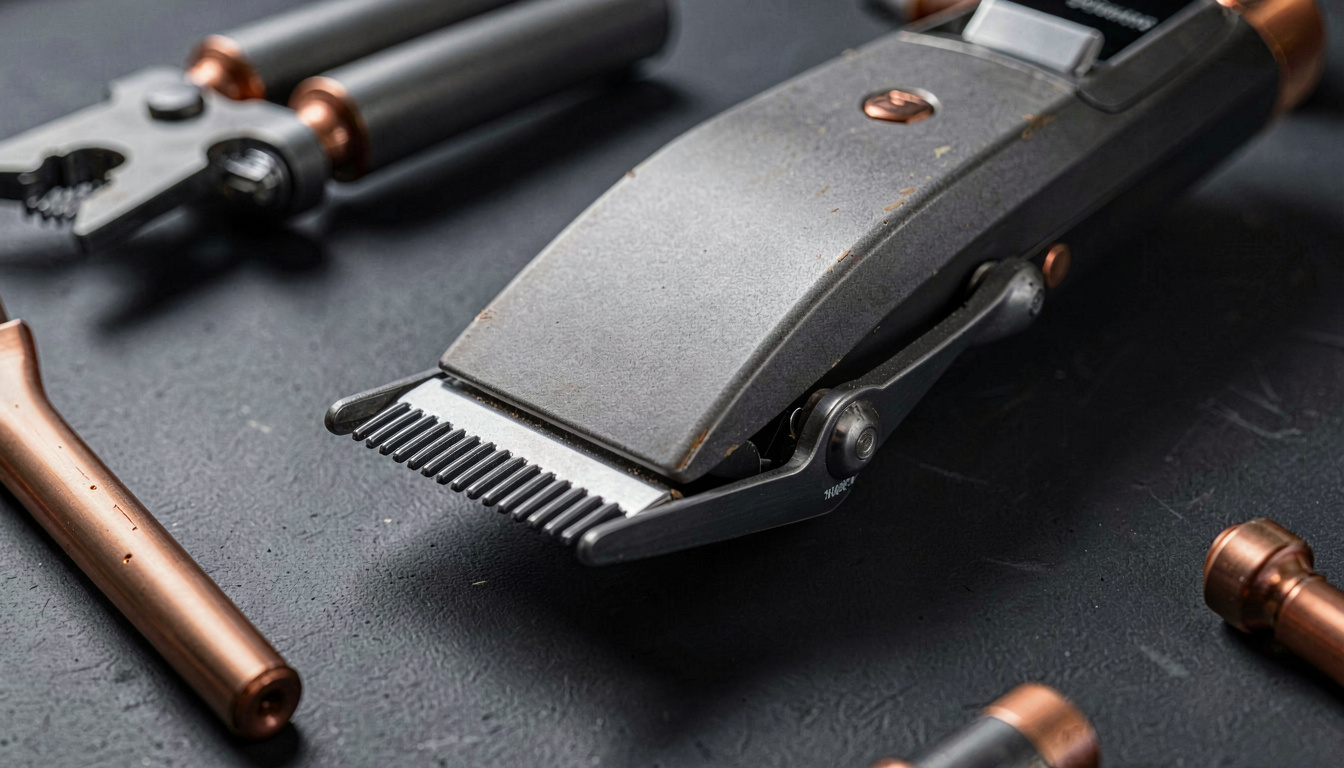
Store clippers in a dry case, never the bathroom counter. Humidity causes rust even on “stainless” blades. Add a silica gel packet to your storage case — it costs pennies and absorbs moisture.
Corded clippers generally last longer than cordless because they lack battery degradation. However, cordless convenience means you’ll actually perform maintenance instead of skipping it. Choose best home hair clippers that match your maintenance discipline.
What mistakes ruin hair clippers fastest?
Most users destroy their clippers through preventable errors. Here are the four costliest mistakes I see weekly.
Mistake #1: Using hair clipper oil substitutes. Vegetable oils turn rancid. WD-40 evaporates and leaves gummy residue. Only use refined mineral oil labeled for clippers.
Mistake #2: Ignoring blade alignment. After cleaning, blades must overlap properly. The top tooth should extend 1/16 inch beyond the bottom tooth. Misalignment causes cuts and uneven lines.
Mistake #3: Storing while damp. Even trace moisture causes rust. Rust pits the cutting edge, creating micro-holes that pull hair. Once rust appears, replacement is your only option.
Mistake #4: Skipping the tension check. Blade screws need specific pressure — too loose causes rattling; too tight strains the motor. Adjust until you hear a steady hum, not a rattle or whine.
What do professional barbers say about clipper maintenance routines?
Frequently Asked Questions
How do I know if my clipper blades need sharpening?
Blades need sharpening when they pull hair, create uneven cuts, or require multiple passes over the same area. You’ll feel tugging instead of smooth slicing. Check the blade edge under light — dull blades reflect light evenly while sharp edges show distinct teeth definitions.
Why do my clippers pull hair even after cleaning?
Dull edges or misaligned blades cause pulling despite cleanliness. If oiling doesn’t fix it, check alignment. The top blade should move side-to-side approximately 1.5mm when pushed manually. If it won’t budge, tighten screws slightly. If it moves too freely, tighten more.
Can I use rubbing alcohol instead of clipper disinfectant spray?
Yes, 70%+ isopropyl alcohol works as well as commercial sprays for home use. It’s also eco-friendly and costs less per ounce. However, professional barbers often prefer Wahl disinfectant for its lubricating agents that provide temporary protection between oilings.
What’s the difference between maintaining corded and cordless clippers?
Cordless clippers require additional battery care and cannot be submerged fully. Never charge cordless units immediately after use — let them cool first. Battery heat degrades cells. Corded models handle deeper cleaning because you remove the entire blade assembly without electrical risk.
How do I fix rusted clipper blades?
You cannot fix rusted blades — replacement is mandatory. Rust pits the metal, creating microscopic holes that catch and tear hair. Attempting to sharpen rusted blades spreads corrosion and contaminates skin. Replace immediately if you see orange spotting.
Related Reading
- Best Hair Clippers — Professional-grade models that withstand rigorous maintenance routines
- Best Home Hair Clippers — Cordless and corded options for DIY grooming enthusiasts
- Best Travel Hair Clippers — Compact, waterproof models for gym bags and travel
Last updated: April 27, 2026